 sales@lubesta.com
























































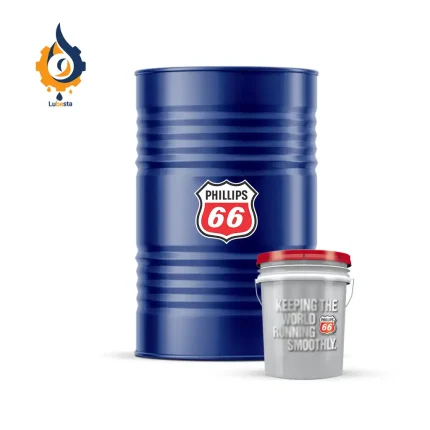

phillips66 ROCK DRILL OIL 320
Short Description of Phillips 66 Rock Drill Oil 320
Phillips 66 Rock Drill Oil 320 is a reliable lubricant designed for demanding rock drilling applications. Its high viscosity, anti-wear properties, and corrosion resistance ensure optimal performance. Trust Phillips 66 for your equipment’s longevity.
Specifications
- Viscosity Grade: ISO VG 320
- Flash Point: Above 200°C (392°F)
- Pour Point: Below -15°C (5°F)
- Color: Amber
- API Classification: GL-4

Description
Description
Phillips 66 Rock Drill Oil 320
Performance of Phillips 66 Rock Drill Oil 320
- Durable and Reliable: Phillips 66 Rock Drill Oil 320 is engineered to withstand the demanding conditions of rock drilling. Its robust formulation ensures consistent performance even in extreme temperatures and high-pressure environments.
- Specific Use: Ideal for lubricating rock drills, jackhammers, and other pneumatic tools used in mining, construction, and excavation.
- Quality Material: Crafted from premium base oils and additives, this oil provides excellent lubrication and wear protection.
Features of Phillips 66 Rock Drill Oil 320
- High Viscosity: The 320 viscosity grade ensures proper lubrication and film strength, reducing friction and wear.
- Anti-Wear Properties: Protects critical components from abrasion and extends equipment life.
- Corrosion Resistance: Shields metal surfaces against rust and oxidation.
- Foam Control: Minimizes foam formation during operation.
- Low Pour Point: Remains fluid even in cold conditions.
Benefits of Phillips 66 Rock Drill Oil 320
- Enhanced Tool Life: Regular use of this oil prolongs the lifespan of your rock drills and pneumatic tools.
- Improved Efficiency: Reduced friction means smoother operation and less downtime.
- Cost-Effective: Investing in quality lubrication pays off by preventing premature wear and costly repairs.
- Reliable Performance: Trust Phillips 66 for consistent results in tough working environments.
Specifications
- Viscosity Grade: ISO VG 320
- Flash Point: Above 200°C (392°F)
- Pour Point: Below -15°C (5°F)
- Color: Amber
- API Classification: GL-4
- Operating Temperatures: Suitable for both hot and cold climates
Certifications
- Meets or exceeds industry standards for rock drill oils.
- Complies with environmental regulations.
Health, Safety & Environment
- Follow standard safety precautions when handling this oil.
- Dispose of used oil responsibly according to local regulations.
Container Size
- Available in various container sizes, including liters and gallons.
Base Oil
- Mineral-based oil with excellent thermal stability.
Recommendations
- Change oil at recommended intervals based on usage and manufacturer guidelines.
- Store in a cool, dry place away from direct sunlight.
Applications
- Rock drills
- Jackhammers
- Pneumatic tools
- Mining equipment
- Construction machinery
Industries Where Phillips 66 Rock Drill Oil 320 Is Popular
- Mining and quarrying
- Construction and excavation
- Roadwork and infrastructure development
- Geotechnical drilling
- Demolition and concrete cutting
Price of Phillips 66 Rock Drill Oil 320
For pricing details and to place an order, please contact us. Our team will provide you with the best price for this high-performance rock drill oil. Don’t miss out on this opportunity!
Flash Point and Drop Point
- Flash Point: Above 200°C (392°F)
- Drop Point: Not applicable (as this oil is not a grease)
Viscosity of Phillips 66 Rock Drill Oil 320
- ISO VG 320 (high viscosity for optimal lubrication)
Frequently Asked Questions (FAQs)
- Q: Is Phillips 66 Rock Drill Oil 320 suitable for extreme temperatures?
- A: Yes, this oil performs well in both hot and cold conditions.
- Q: Can I use this oil in other pneumatic tools besides rock drills?
- A: While it’s specifically designed for rock drills, it can also be used in similar equipment.
- Q: How often should I change the oil in my rock drill?
- A: Follow the manufacturer’s recommendations based on usage and operating conditions.
Datasheet Table
| Specification | Value |
|---|---|
| Viscosity Grade | ISO VG 320 |
| Flash Point | Above 200°C (392°F) |
| Pour Point | Below -15°C (5°F) |
| Color | Amber |
| API Classification | GL-4 |
Shipping
Shipping & Delivery
Vendor Info
Vendor Information
- Address:
- No ratings found yet!











ana –
The product description mentions this oil is designed for pneumatic rock drills and other air-powered tools, and emphasizes protection against wear and corrosion. I’m currently using a competitor’s rock drill oil, and I’m experiencing issues with excessive foaming, particularly in drills operating at higher altitudes. Does the Phillips 66 Rock Drill Oil 320 have specific additives or properties to mitigate foaming, especially under low-pressure conditions or higher altitudes, and what is its typical foam stability as measured by ASTM D892?
Lubesta –
That’s an excellent question, especially considering the common challenges with rock drill oils at altitude. While the product description doesn’t explicitly state “anti-foaming additives,” a high-quality rock drill oil formulated for pneumatic tools, like the Phillips 66 Rock Drill Oil 320, should incorporate foam inhibitors in its formulation. The use of a high-quality base oil, combined with detergents, dispersants, and anti-wear additives will improve the oil performance and reduce the chances of foam formation. The inherent viscosity of an ISO VG 320 oil also helps reduce foaming compared to thinner fluids. The product data sheet does not list an ASTM D892 result, I suggest contacting Lubesta or Phillips 66 directly to confirm the product’s foam characteristics according to ASTM D892. A lower foam volume after 5 minutes of settling would indicate better foam stability. Also, ensure you’re using the correct oil level in your drill and that the air lines are free from contamination, as these factors can also contribute to foaming. If you still experience foaming issues, consider an oil analysis to determine if contamination or degradation is a factor.