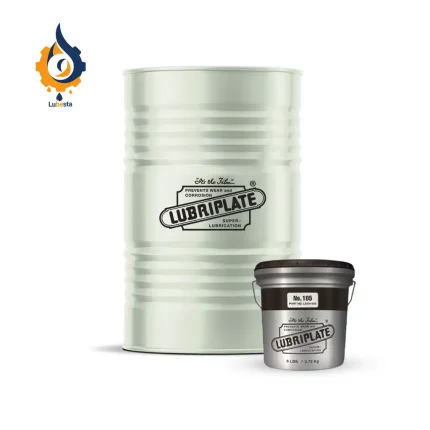
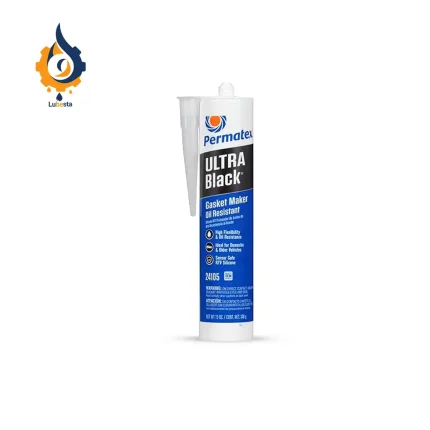
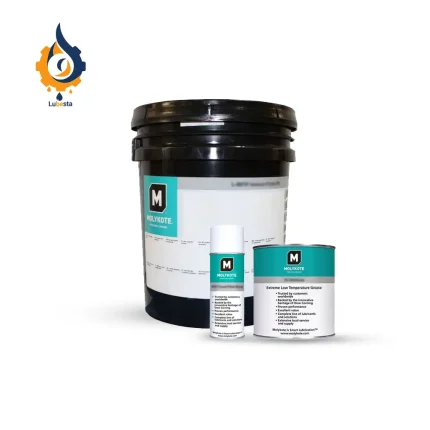
Electrical contact grease plays an essential role in ensuring the reliability, longevity, and performance of electrical connections. Whether in industrial, automotive, or marine applications, the need for protection against corrosion, moisture, and electrical failure is paramount. This specialized lubricant is designed to enhance conductivity, prevent oxidation, and ensure the smooth operation of electrical components in harsh environments.
Electrical contact grease (also known as electrical connector grease, contact protection grease, or electrical terminal grease) offers multiple advantages, ranging from extending the life of electrical contacts to improving efficiency. Automotive Electrical Grease ensures effective lubrication and protection for propulsion systems in both commercial and recreational vessels. It lubricates equipment such as winches and hoists to maintain optimal performance and reduce wear. It enhances the efficiency and reliability of marine transmission systems under demanding conditions. Resistant to wear and water washout. Find A Location Near You for expert advice and optimal oils.
Durable Electrical Contact Grease: An Overview
Electrical contact grease is a non-conductive lubricant specifically designed to reduce wear, prevent corrosion, and protect electrical connections from environmental factors. This grease is often applied to metal surfaces, such as terminals, connectors, and switches, creating a barrier that prevents moisture and oxidation while ensuring a reliable electrical connection. Available in various formulations, this grease is made of high-quality materials, ensuring durability and effective performance.
By acting as a protective layer, electrical contact grease prevents contamination from dust, dirt, and other particles that can degrade electrical connections over time. In addition, it enhances the overall efficiency of electrical systems, making it indispensable in both industrial and consumer applications.
Performance of Electrical Connector Grease
One of the most critical aspects of electrical contact grease is its performance in various conditions. Electrical contact grease performs exceptionally well in high-temperature environments, as it remains stable and prevents the oxidation of terminals and connectors.
- Heat Resistance: Most electrical connector greases are formulated to withstand high temperatures, making them suitable for automotive, aerospace, and heavy machinery applications.
- Waterproof: Electrical terminal grease is also highly water-resistant, providing excellent protection against moisture ingress, which can lead to corrosion and electrical shorts.
- Conductivity: Though electrical contact grease itself is not conductive, it improves the overall electrical connection by preventing rust and corrosion. This leads to lower resistance at the contact points, enhancing efficiency.
- Long-Lasting Protection: The durable nature of these greases ensures long-term protection, reducing the frequency of maintenance.
Features of Electrical Contact Protection Grease
Electrical contact grease is known for its wide range of features that make it an essential solution for various electrical applications:
- Non-Conductive Formula: This grease does not conduct electricity, meaning it won't cause shorts between terminals. It provides insulation and prevents accidental arcing.
- High Heat Tolerance: Electrical contact grease is engineered to perform under extreme temperatures, with most products remaining effective in conditions ranging from -40°C to 200°C.
- Water and Dust Resistance: With a protective layer that seals against moisture and contaminants, this grease ensures that electrical contacts remain clean and operational.
- Oxidation Prevention: One of the key benefits of this grease is its ability to prevent metal oxidation, keeping terminals free from rust and corrosion.
- Compatibility with Different Materials: Electrical contact grease is typically compatible with metals like copper, aluminum, and stainless steel, making it versatile for a variety of applications.
Benefits of Using Electrical Terminal Grease
There are several benefits to using electrical terminal grease, making it a smart choice for anyone dealing with electrical systems:
- Prevents Corrosion: The primary advantage of electrical contact grease is its ability to protect metal contacts from corrosion. This not only improves electrical efficiency but also prolongs the life of the component.
- Enhances Electrical Performance: By reducing the likelihood of oxidation and dirt build-up, this grease ensures that electrical connections remain stable and efficient over time.
- Cost-Effective: Using this grease regularly helps avoid expensive repairs by preventing the degradation of electrical connections, leading to fewer failures and maintenance issues.
- Improves Reliability: Whether you’re in the automotive, industrial, or marine sectors, reliable electrical connections are crucial. Electrical contact grease ensures that systems work consistently, even in challenging environments.
Specifications of Conductive Grease for Electrical Connections
When choosing electrical contact grease, it’s important to consider its specifications, which can vary depending on the application:
- Base Material: Typically it is a silicone grease, though some variants may use synthetic oils for enhanced heat resistance.
- Viscosity: Electrical contact grease usually has a moderate viscosity to allow it to stay in place without dripping while still spreading easily across the surface.
- Temperature Range: Most products operate within a temperature range of -40°C to 200°C, though some high-performance variants may exceed this range.
- Color: Often white or translucent, although the color may vary based on additives and the specific application.
- Weight & Dimensions: These greases are commonly available in tubes or small containers, with weights ranging from 50g to 500g. Compact and easy to store, they’re designed for convenience and longevity.
Health, Safety & Environment Considerations for Electrical Contact Grease
While electrical contact grease is generally safe for use, there are a few health and safety considerations to keep in mind:
- Non-Toxic Formulas: Most electrical connector greases are non-toxic and safe to handle with minimal protective equipment. However, wearing gloves is recommended to avoid skin irritation.
- Environmentally Friendly: Many brands offer eco-friendly options that do not harm the environment, adhering to safety regulations.
- Proper Disposal: Ensure used containers and excess grease are disposed of following local environmental guidelines to minimize impact.
Base Oil Used in Electrical Connector Grease
The base oil in electrical contact grease plays a significant role in its performance:
- Silicone-Based: Most electrical connector greases are silicone-based, offering excellent resistance to moisture and temperature variations. Silicone greases also provide good lubrication for metal surfaces.
- Synthetic Oils: For higher temperature applications, some greases may use synthetic oils that offer greater stability and durability, making them suitable for heavy-duty applications in industrial settings.
Recommendations for Using Electrical Contact Protection Grease
When applying electrical contact grease, follow these best practices to ensure optimal performance:
- Clean the Contact Surface: Ensure the electrical contacts are clean and free from dust or oxidation before applying the grease.
- Apply a Thin Layer: A thin layer of grease is sufficient. Over-applying can cause it to spread to unwanted areas and attract more dust and contaminants.
- Reapply Periodically: While electrical contact grease is long-lasting, it’s good practice to reapply it during regular maintenance cycles, especially in high-usage or extreme environments.
Maintenance Conditions for Electrical Terminal Grease
Proper maintenance is crucial to prolonging the life of your electrical connections:
- Regular Inspections: Periodically check the connections to ensure the grease is still in good condition. If it appears dry or contaminated, clean the surface and reapply as needed.
- Avoid Harsh Chemicals: When cleaning electrical components before applying grease, avoid using harsh chemicals that can leave residues or degrade the grease.
Applications of Electrical Contact Grease Across Industries
Electrical contact grease is used in a wide range of industries due to its versatility:
- Automotive: It’s widely used in automotive electrical systems to ensure reliable connections in extreme temperatures and exposure to road elements.
- Marine: In the marine industry, where moisture is a constant challenge, electrical connector grease prevents corrosion and enhances electrical reliability. Marine Electrical Grease offers multiple advantages, ranging from extending the life of electrical contacts to improving efficiency. It ensures effective lubrication and protection for propulsion systems in both commercial and recreational vessels. It lubricates equipment such as winches and hoists to maintain optimal performance and reduce wear. Resistant to wear and water washout. Find A Location Near You for expert advice and optimal oils.
- Industrial Equipment: Heavy machinery and industrial systems often operate in harsh conditions, making electrical contact grease essential for maintaining functional and reliable electrical connections.
- Consumer Electronics: Electrical contact grease is also useful for home electronics, ensuring long-lasting performance and like anti-corrosion grease preventing failure due to corrosion.
FAQs about Electrical Contact Grease
- What is the primary function of electrical contact grease? Electrical contact grease is used to protect metal contacts from corrosion, moisture, and wear, ensuring reliable and efficient electrical connections.
- Is electrical contact grease conductive? No, electrical contact grease is non-conductive, but it improves conductivity by preventing oxidation and corrosion.
- Can I use electrical contact grease in automotive applications? Yes, electrical contact grease is ideal for automotive use, as it resists high temperatures and moisture, protecting electrical connections in harsh conditions.
- How often should electrical contact grease be reapplied? The frequency of reapplication depends on the environment and usage. For most applications, reapplying during regular maintenance is sufficient.
- Is electrical contact grease safe to use? Yes, most formulations are non-toxic and safe for general use, though wearing gloves during application is recommended.
 sales@lubesta.com