sales@lubesta.com


























































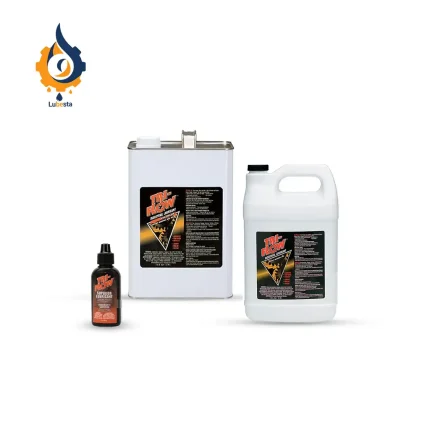
TRI-FLOW SYNTHETIC GREASE
Short Description
Tri-Flow Synthetic Grease seals out water, reduces friction, and ensures smooth operation. Trust in its durability and compatibility for all your lubrication needs.
Specifications (Top 5)
- Extreme temperature range: -10°F to +400°F
- Non-melting formula
- Waterproof and rust-resistant
- Compatible with most rubbers and plastics
- Premium quality for optimal performance1.
TRI-FLOW RED GREASE
Short Description
Tri-Flow Red Grease is a high-performance aluminum complex grease designed for various applications. It excels in lubricating moving parts, providing corrosion resistance, and ensuring smooth operation.
Specifications
- Container per Liter: 160 mL
- Color: Red
- Weight: 6.25 oz (177 g)
- Operating Temperatures: -10°F to +400°F
- Base Oil: Aluminum complex
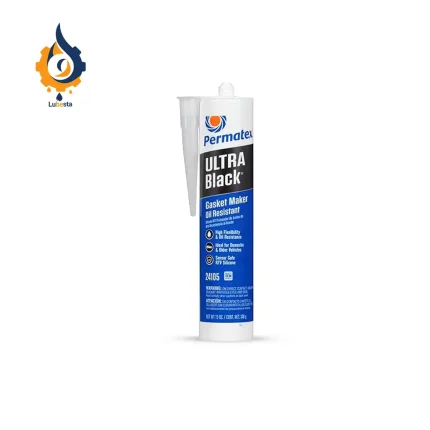
PERMATEX WHITE LITHIUM GREASE, 1.5 OZ
Permatex White Lithium Grease is your trusted companion for smooth, friction-free operation. Whether you’re maintaining your car, boat, or household items, this versatile lubricant delivers outstanding results. Get yours today! 🛒
Specifications
- Container Size: 1.5 oz (45 ml)
- Base Oil: Lithium
- Operating Temperatures: -40°F to 300°F (-40°C to 149°C)
- Flash Point: 390°F (199°C)
- Drop Point: 380°F (193°C)
PERMATEX DIELECTRIC TUNE UP GREASE, .33 OZ
Short Description
The Permatex Dielectric Tune-Up Grease ensures electrical reliability, prevents voltage leaks, and extends component life. Get yours today!
Key Specifications
- Container Size: 0.33 oz
- Base Oil: Dielectric oil
- Color: Silver
- Operating Temperatures: -40°F to 500°F (-40°C to 260°C)
- Certifications: Meets industry standards
PERMATEX DIELECTRIC TUNE UP GREASE, 3 OZ
Short Description
The Permatex Dielectric Tune-Up Grease ensures reliable electrical connections, prevents voltage leaks, and extends component life. Trust it for safety and performance.
Specifications
- Container Size: 3 oz
- Base Oil: High-quality synthetic blend
- Operating Temperatures: Suitable for a wide range of temperatures
- Certifications: Meets industry standards for electrical protection
- Color: Clear
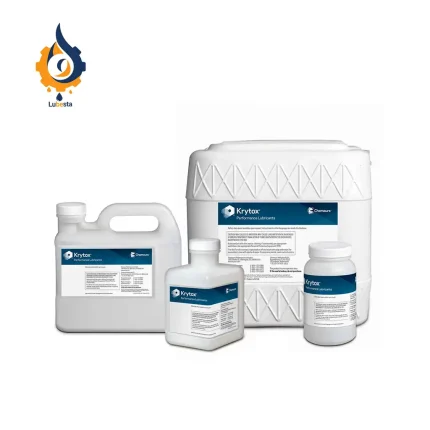
Krytox 240AC Grease
Krytox 240AC Grease is a high-performance lubricant known for its durability and reliability in extreme conditions. Ideal for aerospace, automotive, and industrial applications, it offers excellent thermal stability and resistance to chemicals and moisture.
Specifications of Krytox 240AC Grease
- Dimensions: Various container sizes
- Weight: Lightweight formulation
- Color: White or off-white
- Operating Temperatures: -34°C to 288°C
- Base Oil: Perfluoropolyether (PFPE)
Krytox 240AB Grease
Krytox 240AB Grease is a high-performance lubricant known for its durability and reliability in extreme conditions. Ideal for aerospace, automotive, and industrial applications, it offers excellent thermal stability and resistance to chemicals and moisture.
Specifications of Krytox 240AB Grease
- Dimensions: Various container sizes
- Weight: Lightweight formulation
- Color: White or off-white
- Operating Temperatures: -36°C to 204°C
- Base Oil: Perfluoropolyether (PFPE)
Krytox 240AA Grease
Krytox 240AA Grease is a high-performance, durable lubricant designed for extreme conditions. It offers superior protection, thermal stability, and chemical inertness.
5 Specifications of Krytox 240AA Grease
- Viscosity: 35 cSt at 38°C
- Base Oil: Perfluoropolyether (PFPE)
- Operating Temperature Range: -51°C to 177°C
- NLGI Grade: 2
- Color: White buttery grease
Krytox 240AZ GD1 Grease
Krytox 240AZ GD1 Grease is a high-performance, durable lubricant designed for extreme conditions. It offers superior protection, thermal stability, and chemical inertness.
5 Specifications of Krytox 240AZ GD1 Grease
- Viscosity: 24.7 cSt at 38°C
- Base Oil: Perfluoropolyether (PFPE)
- Operating Temperature Range: -57°C to 149°C
- NLGI Grade: 2 (standard), 1 (MIL-SPEC)
- Color: White buttery grease
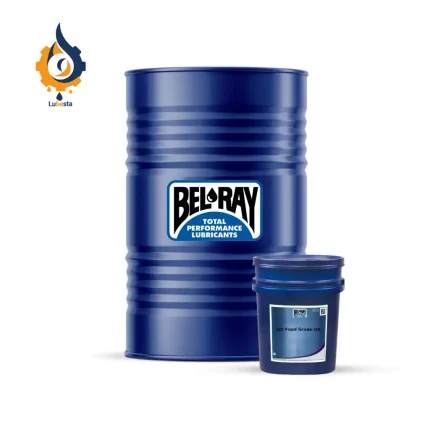
Bel-Ray Waterproof Grease
Short Description
Bel-Ray Waterproof Grease is a high-performance, multi-purpose lubricant designed for various applications. It offers superior water resistance, corrosion protection, and stability, making it ideal for bearings, chassis, and marine equipment.
Specifications
- Base Oil: Aluminum Complex
- Container per Liter:
- Color: White
- Operating Temperatures: Wide range
- Flash Point:
Bel-Ray Termalene Multipurpose Extreme Pressure Grease
Short Description
The Bel-Ray Termalene Multipurpose Extreme Pressure Grease combines durability, water resistance, and exceptional load-carrying capacity. Ideal for various applications, it ensures reliable lubrication across industries.
Top 5 Specifications
- Aluminum complex base oil
- Flash point:
- Drop point:
- Viscosity:
- Available in convenient liter-sized containers.
Bel-Ray Biodegradable Multipurpose Extreme Pressure Grease
Short Description:
Bel-Ray Biodegradable Multipurpose Extreme Pressure Grease is an eco-friendly lubricant suitable for various applications. Its vegetable oil base ensures biodegradability, while its load-carrying capabilities protect critical components. Contact us for pricing and availability.
Specifications:
- NLGI Grade: 2
- Base Oil Viscosity (cSt @ 40°C): 100
- Dropping Point (°C): Not specified
- Color: Natural
- Biodegradability: ASTM D5864 (OECD 301B Modified)
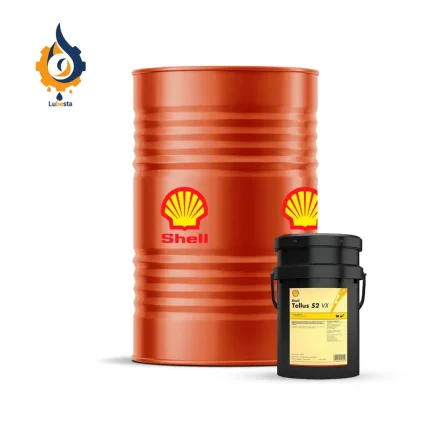
Shell Stamina Grease EP 2
Short Description
Shell Stamina Grease EP 2 is your go-to solution for demanding applications. Its exceptional EP properties, water resistance, and corrosion protection make it a top choice across various industries. Trust in its durability and long-lasting performance!
Specifications
- NLGI Consistency: Class 2
- Color: Light brown
- Thickener: Diurea
- Base Oil Type: Mineral oil
- Operating Temperature Range: -20°C to +110°C
Shell Retinax Grease CS 00
Short Description of Shell Retinax Grease CS 00
Shell Retinax Grease CS 00 is a high-quality NLGI Grade 00 lubricating grease designed for durability, extreme pressure protection, and wide operating temperatures. It’s the perfect choice for various applications across industries.
Specifications
- Base Fluid Viscosity (cSt at 40°C): Approximately 45 cSt
- Base Fluid Viscosity (cSt at 100°C): Approximately 5.7 cSt
- Corrosion Protection (5% synthetic sea water): Excellent
- Timken OK Load (lb): High
- Four-Ball EP, Weld (kg): High
Shell Retinax Grease HDX 2
Short Description
Shell Retinax Grease HDX 2 is your go-to solution for demanding automotive applications. Trust its reliability, protect your components, and ensure smooth operation.
Specifications (Top 5)
- NLGI Consistency: Grade 2
- Color: Black
- Base Oil Type: Mineral
- Viscosity @ 40°C: 205 cSt
- Viscosity @ 100°C: 17.9 cSt
Shell Retinax Grease HD 3
Short Description
Shell Retinax Grease HD 3: The reliable choice for industrial lubrication. Protects, performs, and endures.
Top 5 Specifications
- NLGI Consistency: Grade 3
- Base Oil: Mineral
- Kinematic Viscosity @40°C: 220 cSt
- Dropping Point: 175°C
- Operating Temperature Range: -20°C to +140°C (peak 150°C)
Lubrication in extreme cold environments presents unique challenges. Ordinary greases can thicken to the point of immobility, leading to equipment failure and costly downtime. That's where Low Temp Grease comes in. More than just a lubricant, it's an engineered solution designed to maintain optimal performance even when the mercury plummets. Think of it as winter tires for your machinery, providing the reliable operation you need when others are left spinning their wheels. Low-Temperature Grease isn't just about surviving the cold; it's about thriving in it. It is specifically formulated to provide effective lubrication in extreme cold conditions. It is durable and provides reliable lubrication for various applications like: automotive components, industrial machinery, machine tool grease applications, and even specialized equipment used in arctic or high-altitude environments. The key to its effectiveness lies in its unique base oil and additive package, which work together to ensure consistent viscosity and flow even at exceptionally low temperatures. This ensures smooth operation, reduces wear, and prolongs the lifespan of your equipment. Many options for marine oil supply are offered. The performance of Low Temp Grease is judged by its ability to maintain consistent lubricating properties under extreme cold and must avoid the most common issues in cold weather such as: excessive thickening, hardening, or losing its ability to protect against wear and corrosion. Completely explain about its performances: Excellent Low-Temperature Mobility: The most obvious, but most important, performance metric is how easily the grease flows at extremely low temperatures. A good low-temp grease, particularly EP (Extreme Pressure) Grease, will have a low starting torque and running torque, indicating minimal resistance to movement. This is crucial for ensuring machinery can start easily and operate efficiently without excessive strain. Wear Protection: Even in cold conditions, friction is still a factor. Temp Grease must provide adequate wear protection to prevent damage to moving parts. Look for greases formulated with anti-wear additives to minimize friction and extend equipment life. Corrosion Resistance: Cold environments often involve moisture, which can lead to corrosion. A high-quality Low Temp Grease, and especially Anti Corrosion Grease, will incorporate corrosion inhibitors to protect metal surfaces from rust and degradation. This is particularly important in marine environments where saltwater exposure is a constant threat. Oxidation Stability: While cold temperatures generally slow down oxidation, it's still a concern over the long term. A good Low low-temperature grease will resist oxidation, preventing the formation of sludge and varnish that can hinder performance. Shear Stability: Under the stress of continuous operation, some greases can thin out or break down, losing their lubricating properties. A Low Temp Grease with good shear stability will maintain its consistency and lubricating film thickness, even under high loads and prolonged use. Water Resistance: In many cold environments, moisture is a major factor. A reliable Low Temp Grease offers good water resistance, preventing water washout and maintaining its lubricating properties even in wet conditions. Low Temp Grease excels in a wide range of applications, including: Arctic and Antarctic Equipment: From scientific research instruments to heavy machinery used in polar regions, Low Temp Grease is essential for reliable operation in these extreme environments. Cold Storage Facilities: Conveyor systems, refrigeration equipment, and other machinery operating in cold storage warehouses require greases that can withstand constant low temperatures. Ski Lifts and Snow Grooming Equipment: These machines are subjected to harsh winter conditions, making Low Temp Grease a critical component for smooth and reliable operation. Marine Applications: Boat trailer wheel bearings, winches, and other marine equipment used in cold climates benefit from the superior performance and corrosion resistance of Low Temp Grease. You can order marine oil supplies online. Explain The temperature range for Low Temperature Grease. The temperature range for Low Temp Grease typically spans from -70°C (-94°F) to 120°C (248°F), but it may vary depending on the specific formulation and manufacturer. Always consult the product specifications for the exact temperature range. Explain if Low Temperature Grease offers good water resistance. Yes, many Low Temp Greases are formulated to provide excellent water resistance, protecting lubricated parts from corrosion and maintaining their lubricating properties even in wet conditions. Explain Low-Temperature Grease performs well under high-load conditions. While some low-temperature greases are designed for high-load applications, it is essential to choose a product specifically formulated for the load requirements of your equipment. Check the product specifications for load-carrying capacity. Find out more! Explain The oxidation and corrosion resistance properties of Low Temperature Grease. High-quality Low Temp Greases exhibit excellent oxidation and corrosion resistance properties, ensuring long-term performance and protection of lubricated parts. These properties are achieved through the use of specialized additives that inhibit oxidation and prevent corrosion. The benefits of using Low Temp Grease are numerous: Improved Equipment Reliability: Prevents failures caused by grease stiffening in cold temperatures. Reduced Downtime: Minimizes equipment downtime and maintenance costs. Extended Equipment Life: Protects against wear, corrosion, and oxidation, extending the lifespan of your machinery. Enhanced Performance: Ensures smooth and efficient operation, even in extreme cold. Cost Savings: Reduces maintenance costs, extends equipment life, and minimizes downtime, resulting in significant cost savings over time. Save time & money with Low Temp Grease. The specifications of Low Temp Grease can vary depending on the formulation and intended application. Common specifications include: Base Oil Viscosity: Viscosity of the base oil at different temperatures. Dropping Point: Temperature at which the grease transitions from a semi-solid to a liquid state. Low-Temperature Torque: Measures the resistance to rotation at low temperatures. Water Washout Resistance: Measures the grease's ability to resist being washed away by water. Corrosion Resistance: Indicates the grease's ability to protect against corrosion. Dimensions: Available in various container sizes to suit your needs. Weight: The net weight of the grease. Color: Typically red or translucent, but can vary depending on the manufacturer. Explain whether Low Temperature Grease is environmentally friendly. The environmental friendliness of Low Temp Grease varies depending on its formulation. Some products may contain synthetic base oils and additives that are not biodegradable. Look for products that are formulated with environmentally friendly base oils and additives. Describe the safety precautions that should be taken when handling Low Temperature Grease. Always wear gloves and eye protection when handling Low Temp Grease. Avoid contact with skin and eyes. If contact occurs, wash immediately with soap and water. Refer to the Safety Data Sheet (SDS) for complete safety information. Detail if Low Temperature Grease meets biodegradable standards and certifications. Some Low Temp Greases meet biodegradable standards and certifications, such as OECD 301. Check the product specifications for specific certifications. Discuss any health risks associated with using Low Temperature Grease. Prolonged or repeated skin contact with Low Temp Grease may cause irritation. Inhalation of vapors or mist may cause respiratory irritation. Refer to the Safety Data Sheet (SDS) for complete health information. Describe the disposal guidelines for used Low Temperature Grease. Dispose of used Low Temp Grease in accordance with local regulations. Do not dispose of used grease in drains or waterways. Contact your local waste management facility for proper disposal methods. If it has thinker discus about it completely The base oil is the foundation of any grease, and in Low Temp Greases, its properties are critical for performance. Synthetic base oils, such as PAOs (Polyalphaolefins) or synthetic esters, are commonly used due to their excellent low-temperature fluidity and thermal stability. These oils maintain their viscosity and lubricating properties even at extreme cold temperatures, ensuring smooth operation and minimizing wear. The selection of the base oil significantly impacts the overall performance and temperature range of the Low Temp Grease. Consult your equipment manufacturer's recommendations for the appropriate type of Low Temp Grease to use. Choose a grease that meets the specific operating conditions of your equipment, including temperature range, load, and speed. Consider the environmental factors, such as exposure to water or corrosive substances. Always follow the manufacturer's instructions for application and maintenance. Explain the recommended storage conditions for Low-Temperature Grease. Store Low Temp Grease in a cool, dry place away from direct sunlight and heat. Keep containers tightly closed to prevent contamination. Detail the maintenance practices recommended for equipment using Low Temperature Grease. Regularly inspect lubricated parts for wear and damage. Re-grease equipment according to the manufacturer's recommendations. Replace worn or damaged parts promptly. Low Temp Greases often meet industry standards and certifications, such as: NLGI (National Lubricating Grease Institute): This organization classifies greases based on their consistency and performance characteristics. MIL-SPEC (Military Specifications): Certain Low Temp Greases may meet military specifications for use in military equipment. OEM (Original Equipment Manufacturer) Approvals: Some equipment manufacturers approve specific Low Temp Greases for use in their equipment. In general, mixing different types of greases is not recommended, as it can lead to incompatibility issues. However, specific Low Temp Greases may be compatible with certain other lubricants. Consult the product specifications or contact the manufacturer for compatibility information. The applications of Low Temp Grease are diverse, spanning across various industries. It is perfect for: Automotive components Industrial machinery Arctic or high-altitude equipment Conveyor systems Refrigeration equipment Ski lifts and snow grooming equipment Aircraft landing gear Describe the disposal guidelines for used Low Temperature Grease. Disposal guidelines for used Low Temp Grease typically involve collecting the used grease in sealed containers and disposing of it through a licensed waste disposal company. Following local environmental regulations is crucial. Outline how Low Temperature Grease should be applied for optimal results. For optimal results, apply Low Temp Grease to clean, dry surfaces using a grease gun or other suitable applicator. Ensure that the grease is evenly distributed and that all moving parts are properly lubricated. Discuss any special tools or techniques required for applying Low Temperature Grease. Some applications may require special tools or techniques for applying Low Temp Grease. For example, small bearings may require a needle-nose applicator, while larger bearings may require a grease gun with a specialized nozzle. Compared to standard greases, Low Temp Grease offers superior performance in cold environments but typically comes at a higher cost. However, the increased cost is often justified by the improved equipment reliability, reduced downtime, and extended equipment life. Get a quote today! Low Temperature Grease is essential across industries where extreme cold is a constant factor. In manufacturing, it ensures machinery operates smoothly in unheated warehouses. In the automotive sector, low-temperature automotive chassis grease protects vehicle components in frigid climates. The marine sector relies on it to prevent failures in harsh environments. For example, fishing vessels operating in Arctic waters depend on Low Temp Grease to keep winches, cranes, and other critical equipment running efficiently. Its versatility makes it a valuable asset in enhancing performance and efficiency in these challenging conditions. Shop online now for the best prices! High quality at the best price for the product is our motto. Check the customer reviews and then decide. Exclusive deals and best price guarantee. What makes Low Temp Grease different from regular grease? What is the typical temperature range for Low Temp Grease? Can I use Low Temp Grease in high-temperature applications? How often should I re-grease equipment with Low Temp Grease? Is Low Temp Grease water resistant? What are the benefits of using synthetic base oils in Low Temp Grease? Is Low Temp Grease compatible with all types of seals and elastomers? Can I mix Low Temp Grease with other types of grease? What are the common applications for Low Temp Grease? Where can I find the best deals on Low Temp Grease? How do I choose the right Low Temp Grease for my application? What are the safety precautions I should take when handling Low Temp Grease? How should I dispose of used Low Temp Grease? Does Low Temp Grease meet industry standards and certifications? How can I extend the lifespan of my equipment by using Low Temp Grease?Low-Temperature Grease Designed for Effective Lubrication in Cold Environments Description
Performance of Low-Temperature Grease
Explain The types of machinery or equipment that Low Temperature Grease is best suited for.
Features of Low Temperature Grease
Benefits of Low Temperature Grease
Specifications of Low Temperature Grease
Health, Safety & Environment of Low Temperature Grease
Base Oil of Low Temperature Grease
Recommendations for Low Temperature Grease
Maintenance Conditions of Low-Temperature Grease
Detail if Low-Temperature Grease meets industry standards and certifications.
Can Low-Temperature Grease be used in combination with other lubricants?
Applications of Low Temperature Grease
How often should Low Temperature Grease be applied or replaced?
How does Low Temperature Grease compare to other Categories in terms of performance and cost?
Applications & Industry Use:
FAQs:
Low Temp Grease is formulated with special base oils and additives that allow it to maintain its lubricating properties at extremely low temperatures, whereas regular grease thickens and becomes ineffective.
The temperature range varies, but typically ranges from -70°C to 120°C. Always check the product specifications.
Answer: Low Temp Grease is not designed for high-temperature applications. Use a high-temperature grease instead.
Follow the equipment manufacturer's recommendations for re-greasing intervals.
Many Low Temp Greases are formulated to provide excellent water resistance. Check the product specifications.
Synthetic base oils offer superior low-temperature fluidity, thermal stability, and oxidation resistance compared to mineral oils.
Some Low Temp Greases may not be compatible with certain seals and elastomers. Check the product specifications or consult the manufacturer.
Mixing different types of greases is generally not recommended.
Common applications include automotive components, industrial machinery, arctic equipment, and aviation equipment.
Shop online for the best deals and exclusive offers.
Consider the temperature range, load, speed, and environmental factors. Consult your equipment manufacturer's recommendations.
Wear gloves and eye protection. Avoid contact with skin and eyes. Refer to the Safety Data Sheet (SDS) for complete safety information.
Dispose of used Low Temp Grease by local regulations.
Yes, many low-temperature greases meet industry standards and certifications such as NLGI and MIL-SPEC.
By ensuring smooth operation, reducing wear, and protecting against corrosion, Low Temp Grease helps extend the lifespan of your equipment.