sales@lubesta.com













































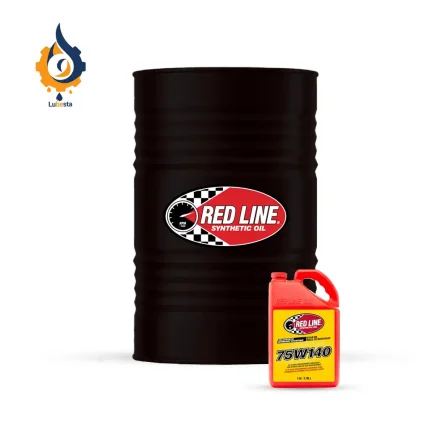
In the demanding world of machinery and equipment, where every moving part faces relentless friction and the constant threat of wear, the choice of lubricant is paramount. As a seasoned professional in the oil and grease industry, I've witnessed firsthand the transformative power of a truly exceptional grease. Today, we delve into the world of Red Line Grease, a lubricant engineered for superior performance and longevity, designed to keep your critical operations running smoothly and efficiently. Red Line Grease isn't just another lubricant; it's a carefully formulated solution designed to excel in a wide array of demanding applications. Crafted with quality material and often incorporating advanced synthetic base oils and robust additive packages, Red Line Grease stands out for its durable nature and ability to maintain its protective properties under extreme conditions. Whether you're operating heavy-duty industrial machinery, maintaining a fleet of vehicles, or ensuring the reliable performance of marine equipment, selecting the right specific use grease is crucial. Red Line Grease aims to meet and exceed these critical demands, offering a level of protection and performance that can translate directly into reduced downtime, extended equipment life, and significant cost savings. Find Out More about the specific formulations available to meet your unique needs. The true measure of any grease lies in its performance under real-world conditions. Red Line Grease is engineered to deliver exceptional results across several key performance indicators. Its advanced formulation ensures a tenacious film strength, effectively separating moving parts even under high pressure and shock loads. This minimizes metal-to-metal contact, reducing wear and tear significantly. Furthermore, the carefully selected base oils contribute to a wide operating temperature range, allowing Red Line Grease to maintain its consistency and lubricating properties in both scorching heat and freezing cold. The types of machinery or equipment that Red Line Grease is best suited for are diverse, reflecting its versatile formulation. From high-speed bearings in manufacturing equipment and constant velocity (CV) joints in automotive applications to heavily loaded gears in construction machinery and critical components in marine oil supply [category], Red Line Grease provides reliable protection. Its ability to withstand harsh environments and demanding operating cycles makes it a preferred choice for industries where equipment reliability is non-negotiable. Consider the performance benefits in applications where other lubricants might break down prematurely, leading to costly repairs and downtime. Get A Quote Today to explore how Red Line Grease can optimize your operations. Red Line Grease boasts a range of features that contribute to its superior performance and durability: These features collectively contribute to the exceptional performance and longevity that users have come to expect from Red Line Grease. Choosing Red Line Grease translates into a multitude of tangible benefits for your operations: These benefits underscore the value proposition of Red Line Grease as a premium lubrication solution. The specific specifications of Red Line Grease will vary depending on the particular product formulation. However, key parameters to consider typically include: Always refer to the product data sheet for the precise dimensions, weight, and color of the specific Red Line Grease you are considering. Understanding these specifications is crucial for selecting the right grease for your application. Responsible use of any industrial product includes understanding its health, safety, and environmental implications. Always prioritize safety and environmental responsibility when using and disposing of Red Line Grease. The base oil used in Red Line Grease plays a critical role in its overall performance characteristics. Many high-performance Red Line Grease formulations utilize synthetic base oils such as polyalphaolefins (PAOs) or esters. These synthetic base oils offer several advantages over traditional mineral oils, including: If a particular Red Line Grease has a thicker consistency, this is usually achieved through the addition of thickeners, such as lithium complex or polyurea, to the base oil. The type and amount of thickener also influence the grease's properties, including its dropping point, water resistance, and shear stability. Understanding the base oil and thickener type is essential for selecting the appropriate Red Line Grease for your specific application. As an experienced professional, my Expert Advice would be to carefully consider the operating conditions and requirements of your specific application when selecting a Red Line Grease. Factors such as operating temperature, load, speed, exposure to water or contaminants, and the materials of the components being lubricated should all be taken into account. Consult the product specifications and consider reaching out to technical experts for guidance if you are unsure which Red Line Grease is best suited for your needs. Reading reviews from other users in similar applications can also provide valuable insights. Proper storage and maintenance practices are essential to ensure the longevity and effectiveness of Red Line Grease. Following these maintenance conditions will help you maximize the benefits of using Red Line Grease. Red Line Grease often meets stringent industry standards and certifications to ensure performance and quality. These may include standards from organizations such as: Detailing if a specific Red Line Grease meets these standards and certifications provides assurance of its quality and suitability for particular applications. Always look for these certifications on the product packaging or data sheet. Generally, it is not recommended to use Red Line Grease in combination with other lubricants unless explicitly stated by the manufacturers of both the grease and the equipment. Mixing different types of grease can lead to incompatibility issues, potentially resulting in: If you are considering switching to Red Line Grease from another lubricant, it is best practice to thoroughly clean the lubrication system before introducing the new grease. Consult the Expert Advice of lubrication professionals or the equipment manufacturer for guidance on compatibility and changeover procedures. The versatility of Red Line Grease allows it to be used in a wide range of applications: The specific application will dictate the most appropriate type and grade of Red Line Grease. Determining how often Red Line Grease should be applied or replaced depends heavily on the specific application, operating conditions, and the equipment manufacturer's recommendations. Factors such as load, speed, temperature, and environmental contamination will influence relubrication intervals. Following the equipment manual's guidelines is crucial for optimal performance and longevity. The disposal guidelines for used Red Line Grease were discussed in section 6. Always dispose of used lubricant responsibly according to local regulations. Outline how Red Line Grease should be applied for optimal results: Ensure that the surfaces to be lubricated are clean and free of old grease and contaminants. Apply the Red Line Grease using appropriate methods, such as a grease gun, manual application, or automated lubrication systems, ensuring that the correct amount is applied to the designated lubrication points. Avoid over-greasing, as this can sometimes lead to issues. Discuss any special tools or techniques required for applying Red Line Grease: For most applications, a standard grease gun is sufficient. However, some specialized equipment or automated lubrication systems may be required for certain industrial applications. Consult the equipment manual or a lubrication specialist for specific guidance. How does Red Line Grease compare to other [Category] in terms of performance and cost? Generally, Red Line Grease is positioned as a premium lubricant, often utilizing synthetic base oils and advanced additive technology. This typically translates to superior performance in terms of temperature range, load-carrying capacity, wear protection, and longevity compared to conventional mineral oil-based greases. While the initial price of Red Line Grease may be higher than some conventional options, the potential for extended equipment life, reduced downtime, and lower maintenance costs can often result in a better value for money in the long run. It's essential to consider the total cost of ownership, not just the initial purchase price. Look for sale opportunities and compare the best price for Red Line Grease from reputable suppliers online. Reading reviews from users who have switched to Red Line Grease can provide valuable insights into its performance benefits compared to other brands. Red Line Grease demonstrates remarkable versatility across various industries, playing a crucial role in enhancing performance and efficiency. In manufacturing, it ensures the smooth operation of critical machinery, from high-speed spindles to heavy-duty presses, reducing friction and wear to maintain production uptime. The automotive sector relies on Red Line Grease for the long-lasting lubrication of wheel bearings, CV joints, and chassis components, contributing to vehicle reliability and safety. In the demanding marine sector, specialized Red Line Grease formulations provide vital protection against corrosion and water washout for boat trailers, winches, and other essential equipment, ensuring the longevity of marine oil supply [category] components in harsh saltwater environments. For example, in a high-speed bearing application in a manufacturing plant, switching to a synthetic Red Line Grease with excellent high-temperature stability can significantly extend bearing life and reduce the frequency of replacements. Similarly, in the marine industry, using a water-resistant Red Line Grease on trailer wheel bearings can prevent premature failure due to saltwater exposure, saving boat owners time and money on repairs. The consistent performance and durable nature of Red Line Grease make it a valuable asset for optimizing efficiency and minimizing downtime across a wide spectrum of industrial and consumer applications. Shop Online Now to explore the range of Red Line Grease products available. Find A Location Near You for convenient purchase options. We offer Exclusive Deals and a Best Price Guarantee, ensuring you get Great Value For Money with Exceptional Customer Service. Meta Title: Red Line Grease: High-Performance Lubricant for Durable Protection | Best Prices Online Meta Description: Discover the power of Red Line Grease for durable lubrication in automotive, industrial, and marine applications. Engineered with quality material for superior performance, water resistance, and wear protection. Explore our range, find the best price, and read reviews online. Shop Online Now for exclusive deals! Resource: STLE (Society of Tribologists and Lubrication Engineers) Link: https://www.stle.org/resources/lube-matters/grease-lubrication-101Mastering Friction and Wear with High-Performance Red Line Grease
1- Red Line Grease
2- Unpacking the Performance of Red Line Grease
3- Key Features of Red Line Grease
4- Unlocking the Benefits of Red Line Grease
5- Delving into the Specifications of Red Line Grease
6- Health, Safety & Environment of Red Line Grease
1. angolatransparency.blogangolatransparency.blog7- The Foundation: Base Oil of Red Line Grease
8- Expert Recommendations for Red Line Grease
9- Maintaining Optimal Performance: Maintenance Conditions of Red Line Grease
10- Meeting Industry Standards and Certifications
11- Compatibility Considerations: Can Red Line Grease Be Mixed?
12- Diverse Applications of Red Line Grease
13- Optimizing Lubrication Intervals and Application Techniques
14- Comparing Red Line Grease to Other Lubricants
15- Applications & Industry Use: Enhancing Performance Across Sectors
SEO Meta Details:
Frequently Asked Questions (FAQs) about Red Line Grease: