sales@lubesta.com









































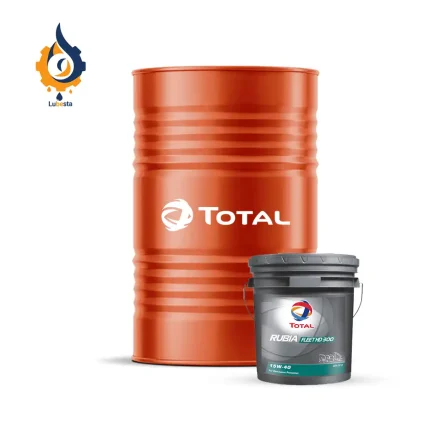
In the demanding world of industrial maintenance, the right tools and solutions are paramount. Among these, the importance of a reliable industrial cleaner cannot be overstated. From removing stubborn grease and grime to ensuring the longevity and efficiency of machinery, a quality cleaner is indispensable. As someone who has witnessed the challenges of maintaining heavy machinery in various industrial settings, I understand the need for products that deliver consistent, powerful results. It’s not just about cleaning; it's about preserving the integrity of vital equipment. Whether you're dealing with marine oil supply challenges or general manufacturing grime, the effectiveness of your cleaning solution directly impacts operational efficiency and lifespan. Finding the right industrial cleaning products can feel overwhelming. With a vast array of options available, it's crucial to select a cleaner that aligns with your specific needs. Considerations such as the type of contaminant, the material being cleaned, and environmental impact all play a role. "Get A Quote Today" to find out more. The performance of an industrial cleaner is defined by its ability to effectively remove contaminants without damaging the underlying material. A high-quality cleaner should penetrate and dissolve stubborn substances like oils, greases, and rust, leaving surfaces clean and ready for further processing or maintenance. For example, in the marine industry, cleaners must tackle saltwater corrosion and heavy oil buildup. In manufacturing, they need to remove cutting fluids and metal shavings. This type of cleaner is best suited for heavy machinery, engines, industrial floors, and equipment used in demanding environments. It’s designed to handle tasks that standard household cleaners simply cannot manage. Consider machinery used in steel mills, where extreme heat and heavy loads cause significant build-up. These machines require a cleaner that can withstand these conditions and deliver consistent performance. "Find A Location Near You" for convenient locations. The benefits of using a high-quality industrial cleaner are numerous: Many industrial cleaners utilize a base of petroleum distillates or other solvents. Thicker cleaners may incorporate emulsifiers or surfactants to enhance their ability to cling to surfaces and break down contaminants. These formulations are designed to penetrate and dissolve heavy greases and oils, ensuring thorough cleaning. For optimal results, select an industrial cleaner that is specifically formulated for the type of contaminant you are dealing with. Always follow the manufacturer’s recommendations for application and usage. Consider reading "reviews" from other users. Many industrial cleaners meet industry standards, such as ISO 9001 for quality management and ISO 14001 for environmental management. These certifications 1 ensure the products are manufactured to high standards and meet stringent quality and environmental requirements. Generally, an industrial cleaner should be used before applying lubricants. It is crucial to remove all contaminants before lubricating to ensure optimal performance and prevent contamination of the lubricant. Always consult the lubricant manufacturer's guidelines. Compared to general-purpose cleaners, industrial cleaners are formulated for heavy-duty cleaning. They offer superior performance in removing stubborn contaminants and are designed to withstand harsh industrial environments. They are a "Great Value For Money" option. In manufacturing, these cleaners are essential for maintaining machinery, reducing downtime, and ensuring product quality. In the automotive sector, they are used to degrease engines, clean parts, and remove road grime, enhancing vehicle performance and longevity. The marine industry relies on these cleaners to combat saltwater corrosion and oil buildup, crucial for maintaining vessels. "Order Online" for marine oil supply. 1. Industrial Cleaner
2. Performance of Industrial Cleaner
3. Features of Industrial Cleaner
4. Benefits of Industrial Cleaner
5. Specifications of Industrial Cleaner
6. Health, Safety & Environment of Industrial Cleaner
7. Base Oil of Industrial Cleaner
8. Recommendations for Industrial Cleaner
9. Maintenance Conditions of Industrial Cleaner
10. Industry Standards and Certifications
11. Can Industrial Cleaner Be Used in Combination with Other Lubricants?
12. Applications of Industrial Cleaner
13. How Often Should Industrial Cleaner Be Applied or Replaced?
14. How Does Industrial Cleaner Compare to Other Cleaners?
15. Applications & Industry Use:
FAQs: