sales@lubesta.com




























































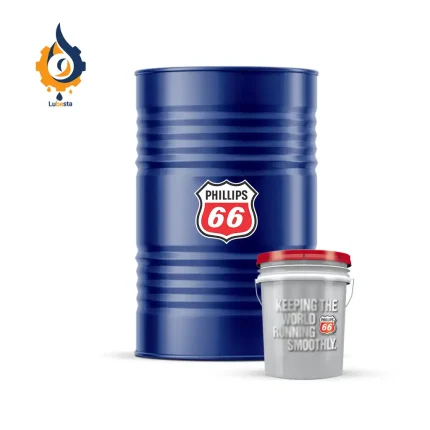
Phillips 66 stands as a prominent figure in the lubricants industry, offering a diverse range of high-quality oils tailored for various applications. Their commitment to innovation and excellence ensures that both machinery and engines operate at peak performance. Phillips 66 oils are engineered to deliver exceptional performance across a multitude of applications. For instance, their T5X® SAE Grade 30 Heavy Duty Motor Oil is specifically designed for use in the hydraulic systems and hydrostatic transmissions of Caterpillar and other off-highway construction equipment. This oil ensures optimal performance and protection under demanding conditions. Phillips 66 oils are formulated to perform efficiently across a wide temperature range, ensuring consistent viscosity and protection in both high and low-temperature environments. Many of their oils offer excellent water resistance, preventing emulsification and maintaining lubrication integrity in moist conditions. Additionally, these oils are designed to withstand high-load conditions, providing a robust film strength that protects against wear and tear. The advanced formulation also offers superior oxidation and corrosion resistance, extending the life of both the oil and the machinery it protects. Utilizing Phillips 66 oil ensures enhanced equipment longevity, reduced maintenance costs, and improved operational efficiency. The high-quality base oils and additives used in their formulations provide excellent thermal stability, deposit control, and wear protection, resulting in extended oil drain intervals and reduced downtime. Phillips 66 offers a comprehensive range of oils, each with specific specifications tailored to various applications. For detailed information on individual products, including viscosity grades, performance standards, and application guidelines. Phillips 66 is committed to environmental stewardship and the safety of its users. Many of their products are formulated to be environmentally friendly, meeting or exceeding industry standards for biodegradability and toxicity. When handling Phillips 66 oil, it is essential to follow standard safety precautions, such as wearing appropriate personal protective equipment and adhering to proper storage and disposal guidelines. Phillips 66 utilizes high-quality base oils in their formulations, including Group II and III base oils, which offer excellent performance characteristics such as improved oxidation stability, low volatility, and enhanced viscosity index. These base oils serve as the foundation for their premium lubricants, ensuring reliability and efficiency across various applications. For optimal performance, it is recommended to select the appropriate Phillips 66 oil based on the specific requirements of your equipment and operating conditions. Consult the equipment manufacturer's guidelines and the Phillips 66 Product Data Sheets to ensure compatibility and optimal performance. Proper storage and maintenance of Phillips 66 oil are crucial to preserving its quality and performance. Store the oil in a clean, dry environment away from direct sunlight and extreme temperatures. Regularly monitor the oil's condition through oil analysis programs to detect any signs of contamination or degradation, allowing for timely maintenance actions. Phillips 66 oils meet or exceed various industry standards and certifications, including API, ACEA, and OEM specifications. Their commitment to quality ensures that their products are suitable for use in a wide range of applications and industries. While Phillips 66 oils are designed to be compatible with many other lubricants, it is generally recommended to avoid mixing different brands or types of oils to maintain optimal performance and prevent potential compatibility issues. If a lubricant change is necessary, ensure that the system is thoroughly flushed and cleaned before introducing the new oil. Phillips 66 oils are versatile and suitable for various applications, including automotive engines, industrial machinery, hydraulic systems, and more. Their diverse product line ensures that there is a suitable lubricant for nearly every need. The frequency of oil application or replacement depends on the specific application, operating conditions, and equipment manufacturer's recommendations. Regular oil analysis can help determine the optimal oil change intervals, ensuring maximum equipment protection and performance. The proper application of Phillips 66 oil involves following the equipment manufacturer's guidelines and using appropriate tools and techniques to ensure adequate lubrication. This may include using the correct type and amount of oil, ensuring clean application equipment, and following proper procedures for oil filling and maintenance. Phillips 66 oils are competitively priced, offering excellent value for their high-quality performance. When compared to other lubricants in the market, Phillips 66 oils provide superior protection, efficiency, and longevity, resulting in cost savings over time due to reduced maintenance and downtime. Phillips 66 oils are utilized across various industries, including manufacturing, automotive, and marine sectors. For example, their industrial gear oils are used in manufacturing equipment to ensure smooth and efficient operation, while their marine oils are formulated to meet the demanding conditions of marine environments, providing reliable protection for marine engines and equipment. 1. What types of oils does Phillips 66 offer? Phillips 66 provides a comprehensive selection of oils, including motor oils, industrial oil, and specialty lubricants designed for diverse applications. Their product line caters to automotive, industrial, and marine needs, ensuring optimal performance and protection. 2. Are Phillips 66 oils suitable for high-performance engines? Yes, Phillips 66 motor oils are formulated to meet the demands of high-performance engines. They offer excellent thermal stability, wear protection, and deposit control, ensuring that engines operate efficiently under various conditions. 3. How do Phillips 66 oils perform in extreme temperatures? Phillips 66 oils are engineered to perform well in both high and low-temperature environments. Their advanced formulations provide reliable lubrication, preventing oil breakdown and ensuring smooth engine operation across a wide temperature range. 4. Are Phillips 66 oils environmentally friendly? Phillips 66 is committed to environmental stewardship. Many of their products are designed to be low in toxicity and are formulated to minimize environmental impact. However, it's essential to follow proper disposal guidelines to ensure environmental safety. 5. How does Phillips 66 ensure the quality of their oils? Phillips 66 employs stringent quality control measures, including advanced testing protocols and continuous research and development, to ensure their oils meet high-performance standards. Their commitment to quality is evident in their state-of-the-art blending and packaging facilities. By providing high-quality products and comprehensive support, Phillips 66 ensures that consumers have access to the information and resources needed to make informed decisions about their oil and lubrication needs. Phillips 66 Oil
Performance of Phillips 66 Oil
Features of Phillips 66 Oil
Benefits of Phillips 66 Oil
Specifications of Phillips 66 Oil
Health, Safety & Environment of Phillips 66 Oil
Base Oil of Phillips 66 Oil
Recommendations for Phillips 66 Oil
Maintenance Conditions of Phillips 66 Oil
Industry Standards and Certifications
Compatibility with Other Lubricants
Applications of Phillips 66 Oil
Application Frequency and Replacement
Application Techniques
Performance and Cost Comparison
Applications & Industry Use
FAQ
Sources