sales@lubesta.com




















































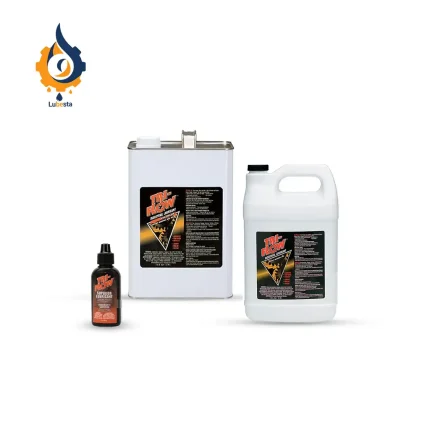

Industrial Oil is a very critical part that oversees the performance, lifespan, and safety of rail systems. Rail industry oil is configured differently such that they are used in hot weather conditions because they are most suited in the engines of locomotives and engines as opposed to other oils. Be it functioning as an engine lubricant or a mechanical lubricant, there are always lubricants that are thrown off for damage caused to any part of the train like ECL electrical train and lubrication with mos2. Rail equipment oil can withstand extreme conditions such as heavy loads, rapid movement, and harsh environmental conditions without any issues. It is a fact that the performance of the Rail Industry Lube is of proper professional concern as it contributes to the service life and performance of rail assets. Incidentally, such oils in addition to reducing friction and wear and reducing the possibility of loss of one part play a very huge role in protecting metals against rust. Most of these oils are in use as lubricants even for operating conditions that make such lubricants very little useful as in old-school train engines at least the coal-fired ones. In such cases, the quality of lubricants used can withstand very high temperatures and pressure drops due to combustion temperatures. Also, the most modern oils are protective and have high viscosity even when very thin requiring very little cold cranking to pump them to other parts of the engine for lubrication. Why wait for these high-performance oils? Get them now and Get Great Exclusive Deals by Shopping Online. Oils embedded with lubrication serve several purposes in the railway sectors: For the cost-minded who wish to Increase Efficiency, high-quality railway lubricant would save them of a lot of inconvenience and money concerns. Rail industry lubricants are made with many features that make it suitable for different applications: Many times high-performance Gear Oil is needed for the engines of the locomotive to work properly and attain high fuel efficiency. Specific oils, such as Heavy Duty Engine Oil, are used for reducing friction and wear of the tracks in the case of curves and points being highly susceptible to wear. Oils designed for maintenance are used for keeping mechanical supports such as wheel axles, braking systems, and hydraulic assembles in a lubricated state for a long time. Whenever there is an operational need to address Lubricants for Minimum Downtime or even for Maximum Efficiency, these products are necessary for the maintenance of the rail transportation system. Getting hold of the expectations of lubricants used in the train systems will help in joining the correct parts together. These expected values other than the viscosity are likely to include; Investigate the options for oils that qualify for these parameters covered by the best price guarantee policy. Health, safety, and environmental factors are relevant in the choice of lubricants Primarily, the main types of rail oils that are currently used by the railway industry are made as low non-hazardous, non-toxic, non-hazardous, and are protective of the human skin hence limiting the possibilities of any threats of health for those applying these oils. staff. In addition to this, lubricants that are nonhazardous generally referred to as environmentally friendly lubricants, have at times a case of leakage or spillage, and this is because they are in the doctrines of environmental protection. once again environmental-friendly lubricant does not file the rule preventing the case of leaking or spilling the content as encased in it to regulate pollution. To that extent, the experts that the companies normally offer to the railroads will provide all the necessary help in its appeal to implementing the safety measures. Read more about environmentally sound lubricants that permit safe and sustainable train operations on our site. When choosing lubricants for rail systems, the following items should be taken into account: Experience Convenience in Shopping and make the innovative value proposition of rail system lubrication your dose of quality at the click of a button. Maintaining the necessary proper conditions for rail system lubricants helps preserve the products and ensure they work as expected. Some key maintenance practices are: Best Prices available for bulk orders of maintenance lubricants—Shop Online Now! As detrimental and careless as it would seem, some, at least, of the retrieved data possesses a much wider versatility (is subjected to expansion) than for rail transportation only. Marine engines exhibit a high level of friction and consequent wear leading to parts destruction, therefore a rail oil with anti-corrosion properties can protect it from the devastating effects of seawater. Construction machinery such as cranes and bulldozers are also compatible with rail oils which possess high viscosities that can support such heavy applications. A specific brand of rail oil is also designed with features that are versatile enough for the engines of cars that are advanced as well as large enough in size, making them reduce wear and tear and in addition, lowering the cost of the maintenance required to keep them in the proper condition. 1. What is the best railway oil for diesel-electric locomotives? 2. How frequently is equipment railway oil renewed? 3. Are there any rail lubricants that are friendly to the environment? 4. Can we use anti-corrosion railway oils in ships? 5. I need some industrial oil products for railways. Where can I get them? Rail Equipment Oils in Rail Systems Performance
Advantages Caused by the Use of Oils Combined with Lubricant Applications within Railway Equipment
Features of Lubricants in Rail Industry Applications
Are you interested in more information on rail industry oil product features? Make a Request now!Lubricants are used in various applications in the rail industry:
Locomotives:
Lubrication of the running gear of the ... cars:
Maintenance of Rail Components:
Train Lubrication Specifications
HSE Considerations of Lubricants in Rail Systems
Guide on the Selection of Rail System Lubricants
Maintenance Requirements of Rail System Lubricants
Utilization of Railroad Oils within the Context of Other Industry Sectors
FAQs
Locomotives like diesel electric use high-viscosity oils with good thermal with antiscuffing properties to allow for efficient operations and life longevity under severe operation.
It’s dependent upon the equipment and the type of oil used, but it is advisable in most cases to have the operation be within the manufacturer’s specifications for maximum results and loss prevention.
Many contemporary rail lubricants tend towards being biodegradable and non-toxic, thereby offering safe options that are compliant with standards.
Yes, certain modern-day railway oils are highly efficient for ship applicants especially those containing anti-corrosive additives.
You can find superior quality railway oils at the official webpage with Best Price Support and Exclusive Deals enlisted there. Purchased these just now! Fast dispatch!