sales@lubesta.com























































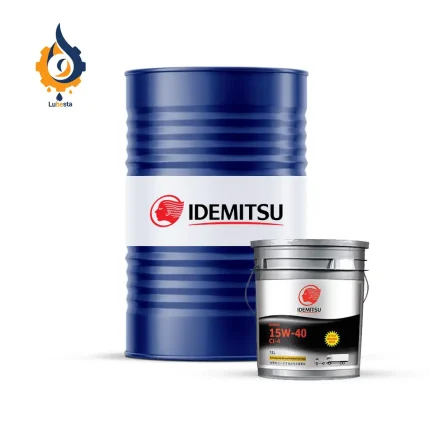
High-grade machine tool oils are produced with carefully selected base oils and additives that cater to various machine tool requirements. Here’s a typical set of specifications for quality slideway oils:
Slideway oil is an essential lubricant for precision machinery, designed specifically to enhance the smooth movement of slideways, ways, and guide rails in machine tools. Providing an ideal combination of low friction and high load-bearing capacity, this oil ensures that machine tools operate with maximum efficiency, reducing wear and tear over time. High-quality slideway oils like slideway lubricant, slideway lub, or machine tool slideway oil are meticulously formulated to offer exceptional performance in industrial settings, from CNC machines to heavy-duty lathes and milling machines. Slideway oils are engineered to deliver superior adhesion to metal surfaces, helping machines maintain their alignment and accuracy throughout extensive operations. These oils provide robust film strength, essential for minimizing wear between sliding surfaces under high-pressure conditions. By adhering effectively to metal, they prevent “stick-slip” motion—a common issue where inconsistent lubrication leads to jerky movements, affecting precision and surface quality. Using high-quality slideway oil significantly enhances machine performance and longevity. Proper slideway lubrication promotes efficiency, precision, and cost savings by reducing downtime and repair costs. Choosing the right viscosity grade depends on machine specifications and operating temperatures. Lower viscosity oils (ISO VG 32 or 68) suit smaller machine tools, while heavier machinery may require ISO VG 220 or higher. When selecting and using slideway oils, prioritize products that adhere to health, safety, and environmental standards. Leading manufacturers offer slideway lubricants that meet these criteria, ensuring safe handling and disposal: The performance of slideway oils largely depends on the base oil and additive formulation. Top-grade slideway oils are made from mineral oils, synthetic oils, or blends that provide the right balance of lubrication and adhesion. Selecting the appropriate slideway oil requires matching oil viscosity and formulation to your specific machine tool requirements: Regular maintenance of machine slideways is essential for optimal performance. When applying slideway oil, keep the following tips in mind: Maintaining these conditions helps avoid performance issues, prolong equipment life, and improve operational safety. The ideal viscosity grade depends on the machine’s size, weight, and operational requirements. For small to medium machine tools, ISO VG 32 or 68 is commonly used, while larger machinery may require ISO VG 220. This depends on the machine usage and operating conditions, but generally, slideway oils should be checked monthly and replaced if they appear contaminated or degraded. While some hydraulic oils may offer basic lubrication, they lack the anti-stick-slip properties essential for smooth machine tool operations. It’s best to use dedicated slideway oil. Yes, several manufacturers offer eco-friendly, biodegradable slideway oils with reduced environmental impact that are suitable for organizations aiming for sustainable practices. Slideway oil is generally compatible with hydraulic oils, but it’s important to consult product specifications to ensure proper functionality when combined with other lubricants.Slideway Oil: High-Performance Lubrication for Precision Machines
Slideway Oil Performance & Characteristics
Key Features of Slideway Oils
Benefits of Using Slideway Oil
Slideway Oil Specifications
Parameter
Specification
Viscosity
ISO VG 32, 68, 220, or as required
Color
Clear or amber
Specific Gravity
0.86–0.91
Operating Temperature
-10°C to 200°C
Additives
Anti-wear, anti-rust, anti-foam
Health, Safety, and Environmental Considerations
Base Oil and Additives in Slideway Oils
Recommendations for Optimal Slideway Oil Usage
Maintenance Conditions for Slideway Oils
Applications and Functions Across Industries and Brands
FAQs
1. What viscosity grade is ideal for my machine tool?
2. How often should slideway oil be replaced?
3. Can I use hydraulic oil instead of slideway oil?
4. Are there environmentally friendly slideway oils available?
5. Is slideway oil compatible with other machine lubricants?