 sales@lubesta.com






























































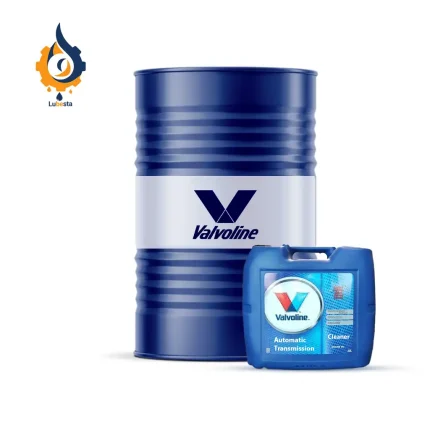

Valvoline Heat Transfer Oil
Short Description
Valvoline Heat Transfer Oil is your go-to solution for reliable and efficient heat transfer. Trust Valvoline for quality and performance!
Specifications of Valvoline Heat Transfer Oil
- Viscosity Grade: ISO 32
- Base Oil: Fully synthetic ester base
- Operating Temperatures: Up to 320°C (608°F)
- Certifications: Meets industry standards for heat transfer fluids
- Color: Clear

Description
Description
Valvoline Heat Transfer Oil: Elevate Your Heat Transfer Systems
Introduction
Valvoline Heat Transfer Oil is a top-tier synthetic fluid meticulously engineered to meet the specific operating requirements of demanding heat transfer systems. Whether you’re managing industrial processes, operating machinery, or maintaining laboratory equipment, this high-performance oil delivers exceptional results. Let’s delve into the details of this remarkable product.
Performance of Valvoline Heat Transfer Oil
Valvoline Heat Transfer Oil stands out due to its impressive features:
- Wide Operating Range: Designed to withstand extreme temperatures, this oil can operate effectively in a range from -10°C to 320°C (14°F to 608°F). It thrives in applications where other fluids struggle.
- Excellent Oxidation Stability: Valvoline’s synthetic formulation ensures long fluid life by resisting oxidation. Say goodbye to premature oil breakdown and system inefficiencies.
- Low Volatility: Unlike some heat transfer oils, Valvoline Heat Transfer Oil evaporates slowly. This property extends the fluid’s lifespan and minimizes the need for frequent top-ups.
- Protection Against Rust and Corrosion: Valvoline Heat Transfer Oil is non-corrosive, preventing rust and corrosion problems in the circulating system.
Features of Valvoline Heat Transfer Oil
Let’s explore the key features that make this oil stand out:
- Quality Ingredients: Valvoline uses premium paraffinic base oils and additives to create a stable and durable heat transfer medium.
- Outstanding Thermal Stability: The oil’s resistance to thermal decomposition ensures reliable performance even under extreme conditions.
- Hydrolytic Stability: When exposed to water, Valvoline Heat Transfer Oil remains stable, preventing fluid breakdown.
- Fluidity Across Temperatures: The viscosity of Valvoline Heat Transfer Oil provides good fluidity and efficient heat transfer over a wide temperature range.
Benefits of Valvoline Heat Transfer Oil
Here’s why you should choose Valvoline for your heat transfer needs:
- Efficiency: By maintaining stable viscosity and preventing evaporation, this oil maximizes system efficiency.
- Durability: Valvoline Heat Transfer Oil withstands the rigors of industrial processes, ensuring longevity.
- Safety: Its low volatility reduces the risk of accidents, making it ideal for laboratory equipment.
- Environmental Compliance: Valvoline prioritizes environmental safety, and this oil complies with health and safety regulations.
Specifications of Valvoline Heat Transfer Oil
- Viscosity Grade: ISO 32
- Base Oil: Fully synthetic ester base
- Operating Temperatures: Up to 320°C (608°F)
- Certifications: Meets industry standards for heat transfer fluids
- Color: Clear
Health, Safety, and Environment
- Certifications: Valvoline Heat Transfer Oil complies with industry standards, ensuring reliability and performance.
- Health and Safety: This oil adheres to safety guidelines, making it suitable for both industrial and laboratory use.
Applications
Valvoline Heat Transfer Oil finds applications in various industries:
- Textile Industry: Precise temperature control during dyeing, drying, and other textile processes.
- Rubber Manufacturing: Efficient heat transfer in molding and curing processes.
- Chemical Industry: Consistent temperatures in reactors and distillation columns.
- Plastics Manufacturing: Ensures optimal heat transfer in plastic extrusion.
- Food Processing: Heat exchangers in food production benefit from stability and safety.
- Pharmaceutical Industry: Laboratories rely on this oil for critical processes.
Recommendations and Maintenance
- Consult Your Equipment Manual: Always refer to your equipment’s manual for specific recommendations regarding heat transfer fluids.
- Regular Inspections: Periodically check for leaks, contamination, or signs of degradation.
- Proper Storage: Store Valvoline Heat Transfer Oil in a cool, dry place away from direct sunlight.
Industries Where Valvoline Heat Transfer Oil Excels
Valvoline Heat Transfer Oil finds widespread use in several industries due to its exceptional properties:
- Manufacturing: Whether it’s plastic extrusion, rubber molding, or metal processing, Valvoline Heat Transfer Oil ensures efficient heat transfer.
- Pharmaceuticals: Laboratories and pharmaceutical plants rely on this oil for precise temperature control during critical processes.
- Textile Industry: From dyeing to drying, Valvoline keeps textile machinery running smoothly.
- Food Processing: Heat exchangers in food production benefit from the stability and safety of this synthetic fluid.
- Chemical Processes: Valvoline Heat Transfer Oil maintains consistent temperatures in reactors and distillation columns.
Price of Valvoline Heat Transfer Oil
For pricing details and special offers, contact us today! Our team will provide you with the best price for this high-performance heat transfer oil.
Flash Point and Drop Point
- Flash Point: The flash point of Valvoline Heat Transfer Oil is above 300°C (572°F), making it safe for high-temperature applications.
- Drop Point: As a synthetic fluid, it doesn’t have a drop point like conventional greases.
Viscosity
Valvoline Heat Transfer Oil has an ISO viscosity grade of 32. This ensures optimal flow and heat transfer efficiency.
Frequently Asked Questions (FAQs) about Valvoline Heat Transfer Oil
- Is this oil compatible with other heat transfer fluids?
- Yes, Valvoline Heat Transfer Oil is compatible with most synthetic and mineral-based heat transfer fluids. However, always consult your equipment manual before mixing different fluids.
- Can I use this oil in closed-loop systems?
- Absolutely! Its low volatility and excellent oxidation stability make it ideal for closed-loop heat transfer systems.
- How often should I change the oil?
- Regular oil analysis and visual inspections will guide your maintenance schedule. Typically, changing every 2-3 years is recommended.
Datasheet: Valvoline Heat Transfer Oil
| Specification | Value |
|---|---|
| Viscosity Grade | ISO 32 |
| Base Oil | Fully synthetic ester base |
| Operating Temperatures | Up to 320°C (608°F) |
| Container Size | Various sizes per liter |
| Certifications | Meets industry standards for heat transfer fluids |
Shipping
Shipping & Delivery
Vendor Info
Vendor Information
- Store Name: Comnaz
- Vendor: Comnaz
- No ratings found yet!













Reviews
Clear filtersThere are no reviews yet.