sales@lubesta.com






















































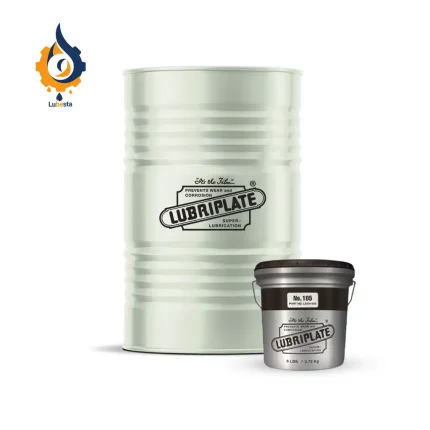
LUBRIPLATE UTF Biobased Green ISO Grade 46, Mineral oil
Short Description
LUBRIPLATE UTF Biobased Green ISO Grade 46 is a high-performance, eco-friendly hydraulic oil suitable for various applications. Replace mineral oil with this biodegradable solution for better equipment performance and reduced environmental impact.
Specifications (Top 5)
- ISO Grade: 46
- Base Oil: Vegetable oil
- Flash Point: 1
- Viscosity: ISO 46 / SAE 10W30
- Container Sizes: 5-gallon pails and drums
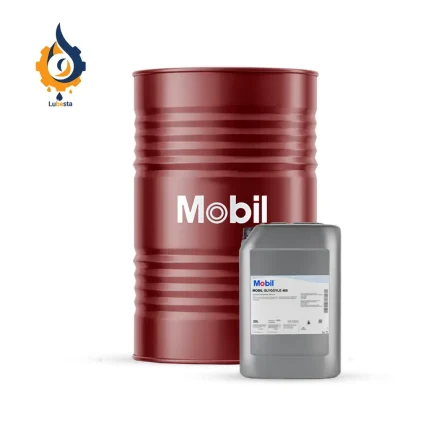
Mobil Mobilfluid 428
Short Description
Mobilfluid 428 is your go-to solution for maximizing tractor efficiency. Whether in agriculture, construction, or quarrying, this high-performance lubricant ensures smooth operation and extended equipment life.
Key Specifications
- Viscosity Grade: SAE 10W-30
- Flash Point:
- Drop Point:
- Rust and Corrosion Test: Pass
Mobilfluid 424
Short Description of Mobilfluid 424
Mobilfluid 424 is the go-to lubricant for heavy-duty tractors. Its advanced technology ensures reliability, reduced maintenance costs, and extended equipment life.
Top 5 Specifications
- Enhanced frictional properties
- High shear stability
- Outstanding rust protection
- Multipurpose capability
- Excellent low-temperature performance
Mobil Agri Extra 10W40
Short Description
Mobil Agri Extra 10W-40 is your go-to lubricant for farm machinery. It ensures optimal performance, longevity, and protection. Order today!
Top 5 Specifications
- SAE Grade: 10W-40
- TBN: 12 mgKOH/g
- Pour Point: -42°C
- Viscosity Index: 146
- Flash Point: [Insert flash point value here]
Tractors are the backbone of modern agriculture, playing a vital role in ensuring efficiency, productivity, and profitability. To maintain their performance and longevity, using the right tractor lubricant is crucial. Tractor lubricants not only help reduce wear and tear but also keep engines running smoothly under challenging conditions. Whether you're dealing with high temperatures, heavy loads, or harsh environmental factors, selecting the appropriate tractor engine oil can make a significant difference. In this guide, we’ll delve into the essential aspects of tractor lubricants, providing valuable insights into their performance, benefits, and maintenance practices. We’ll also explore key factors to consider when choosing the right lubricant for your equipment, how it compares with other options, and its importance for agricultural machinery. Tractor lubricant refers to high-quality oils specifically designed for use in tractor engines and machinery. These lubricants are formulated to reduce friction, minimize wear, and ensure smooth engine operation in all conditions. Typically, they are available in various grades, including conventional and synthetic options, depending on the performance requirements. While tractor lubricants are essential for the engine, they also serve to protect critical components such as the transmission, hydraulics, and other moving parts. This comprehensive lubrication ensures a longer lifespan for your equipment and minimizes downtime during peak agricultural seasons. Tractor lubricants come in various viscosities and formulations to suit different types of tractors and operating environments. Some may also include additives to improve performance in extreme conditions like high temperatures or wet environments. The performance of tractor lubricants is heavily influenced by their ability to withstand extreme operating conditions. Here's a closer look at what makes them suitable for tractors: Tractors with different applications, such as harvesters, plows, and graders, each require specific lubricants to maintain performance and protect components. When choosing a tractor lubricant, there are several key features to consider. Here’s a breakdown of some essential characteristics: Using the right tractor lubricant offers numerous benefits to both the equipment and the operator: Tractor lubricants come with specific technical specifications that you need to consider: Using tractor lubricants responsibly not only helps protect the equipment but also ensures the safety of both operators and the environment: The base oil used in tractor lubricants is crucial to its performance. These oils are often mineral-based or synthetic: To get the most out of your tractor lubricant, it's important to follow the manufacturer's recommendations. Always check the owner’s manual for the recommended oil type, viscosity grade, and oil change intervals. Proper storage and maintenance are key to getting the best performance from your tractor lubricant: Reputable tractor lubricants are often certified by various industry standards such as API, SAE, and OEM (Original Equipment Manufacturer) specifications. These certifications ensure that the lubricant meets high-quality standards for performance and reliability. It’s generally not advisable to mix different lubricants unless they have the same specifications. Mixing oils can alter their properties, potentially reducing their effectiveness. Always stick to the recommended oil for your specific machinery. In addition to engine oil, tractor lubricants are used in various other systems such as transmissions, hydraulics, and differentials. These lubricants ensure smooth operation across the entire machinery, improving overall productivity. The frequency of oil changes varies depending on the tractor's usage, the type of lubricant, and environmental conditions. Generally, it’s recommended to change the oil after 100–200 hours of operation. Always follow the manufacturer's guidelines for oil change intervals and use high-quality lubricants. When compared to automotive oils, tractor lubricants are designed for more extreme conditions, with higher viscosity, better load-bearing capacity, and enhanced protection against wear. The cost of tractor engine oil may be higher due to these enhanced performance qualities, but the long-term benefits make it an investment worth considering. In industries such as agriculture, construction, and mining, tractor lubricants play a vital role in keeping equipment running smoothly. From harvesting machines to excavators, lubricants ensure machinery continues to perform at peak efficiency. Regular use of high-quality lubricants prevents unnecessary repairs, boosts performance, and enhances fuel economy across a range of industrial sectors. What is tractor lubricant? What is the difference between tractor engine oil and car engine oil? Can I use regular motor oil for my tractor? How often should I change the tractor engine oil? What factors should I consider when choosing a tractor lubricant? Is synthetic tractor oil better than conventional oil? What are the benefits of using the right tractor lubricant? Can tractor lubricants be used for other machinery? Are tractor lubricants environmentally friendly? How do I dispose of used tractor oil? Can I mix different brands of tractor lubricants? How do I know the right viscosity for my tractor oil? Are tractor lubricants available for all types of tractors? What are the signs that my tractor oil needs to be changed? Where can I purchase high-quality tractor lubricants?Tractor Lubricant: The Essential Guide for Your Agricultural Machinery
1. Tractor Lubricant
2. Performance of Tractor Lubricant
3. Features of Tractor Lubricant
4. Benefits of Tractor Lubricant
5. Specifications of Tractor Lubricant
6. Health, Safety & Environmental Considerations
7. Base Oil of Tractor Lubricant
8. Recommendations for Tractor Lubricant
9. Maintenance Conditions of Tractor Lubricant
10. Industry Standards and Certifications
11. Can Tractor Lubricant Be Used with Other Lubricants?
12. Applications of Tractor Lubricant
13. How Often Should Tractor Lubricant Be Applied or Replaced?
14. How Does Tractor Lubricant Compare to Other Oils?
15. Applications & Industry Use
16. FAQs on Tractor Lubricants