sales@lubesta.com



























































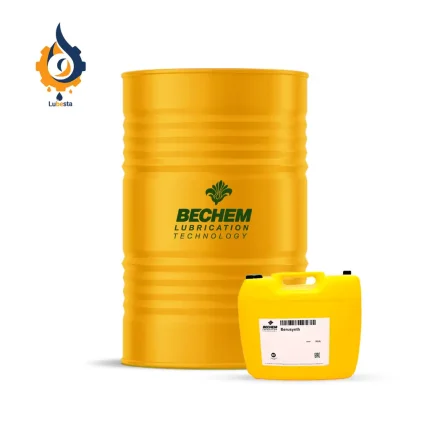
Bechem Berugear HV RI
Bechem Berugear HV RI is a reliable running-in lubricant that ensures optimal gear drive performance during the critical initial stages. Its light-colored composition, solid lubricants, and excellent wear protection make it a top choice for various industrial applications.
Specifications of Bechem Berugear HV RI
- Base Oil: Mineral oil
- Thickener: Aluminum complex soap
- NLGI Grade: 000 (semi-fluid consistency)
- Working Temperature Range: -20°C to 180°C
- Color: Beige
Bechem Berulit 400
Bechem Berulit 400 is a durable, high-performance adhesive lubricant designed for heavy-duty industrial applications. Its graphite-containing formula ensures exceptional wear protection, making it a top choice across various industries.
Specifications of Bechem Berulit 400
- Base Oil: Mineral oil
- Thickener: Bentonite
- NLGI Grade: 0
- Working Temperature Range: -10°C to 160°C
- Color/Appearance: Grey-black
Bechem Berulit GA 2500
Bechem Berulit GA 2500 is a robust, graphite-containing lubricant trusted by industries worldwide. Its high load capacity, safety features, and versatility make it a top choice for critical applications.
Specifications
- Base Oil: Mineral oil (high viscosity)
- Thickener: Aluminum complex soap
- NLGI Grade: 00
- Working Temperature Range: 5°C to 200°C
- Color/Appearance: Black
Bechem Berulit GA 400
Bechem Berulit GA 400 is the go-to lubricant for heavy-duty industrial equipment. Its exceptional wear protection, wide temperature range, and graphite-enhanced formula ensure optimal performance. Invest in Berulit GA 400 for reliability and longevity! 🛢️
Specifications
- NLGI Grade: 0–00
- Base Oil: Mineral oil
- Color/Appearance: Grey-black
- Graphite Content: Ultra-fine graphite
- Operating Temperature Range: -20°C to 180°C
Bechem Berulit GA 800 Fluid
The Bechem Berulit GA 800 Fluid is a graphite-containing lubricant designed for open gear drives. With excellent wear protection, high load capacity, and adhesion properties, it ensures smooth operation even under extreme conditions.
Specifications of Bechem Berulit GA 800 Fluid
- Base Oil: Mineral oil
- Thickener: Aluminum complex soap
- NLGI Grade: 000 (semi-fluid consistency)
- Working Temperature Range: -10°C to 120°C
- Flash Point: [insert flash point value] °C
Bechem Berulub FA 37
Bechem Berulub FA 37 is a reliable industrial lubricant with excellent performance characteristics. Its high load-carrying capacity, stability, and corrosion protection make it a top choice for various applications.
Specifications
- Viscosity Grade: ISO VG 220
- Operating Temperature Range: -20°C to +120°C
- Base Oil: Mineral oil-based
- Certifications: ISO 9001, ISO 14001
- Color: Amber
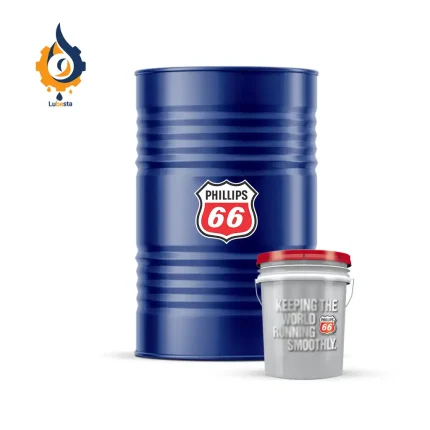
phillips66 VERSATRANS CVT PLUS FLUID
Short Description
VERSATRANS® CVT PLUS FLUID is your reliable partner for transmission maintenance. With outstanding performance and fuel efficiency, it’s the smart choice for your vehicle!
Specifications
- Flash Point (COC): 196°C (385°F)
- Viscosity @ 40°C: 35 cSt
- Viscosity @ 100°C: 7.4 cSt
Remember, choosing the right transmission fluid directly impacts your vehicle’s performance. Invest in VERSATRANS® CVT PLUS FLUID for excellence!
phillips66 CVT FLUID
Short Description of Phillips 66® CVT Fluid
Phillips 66® CVT Fluid is a reliable choice for belt-driven CVTs, offering smooth performance and excellent wear protection.
Specifications of Phillips 66® CVT Fluid
- Specific Gravity (at 60°F): 0.864
- Density (lbs/gal at 60°F): 7.2
- Flash Point (COC):
phillips66 SYNCON R&O OIL ISO Grade: 680
Short Description of Syncon R&O Oil (ISO VG 100-680)
Phillips 66® Syncon R&O Oil (ISO VG 100-680) is a durable, synthetic lubricant suitable for various applications. Its exceptional thermal stability, wear protection, and corrosion resistance make it a top choice for industrial equipment. Get the best price today!
Specifications and Recommendations
- API Grade: ISO VG 100-680
- Operating Temperatures: Suitable for extreme temperature ranges.
- Container Size: Available in various container sizes (per liter).
- Base Oil: Synthetic PAO base oils.
- Health and Safety: Complies with industry standards.
- Applications: Use in circulating systems, lightly loaded enclosed gear drives, and more.
phillips66 SYNCON R&O OIL ISO Grade: 460
Short Description of SYNCON® R&O Oil ISO Grade 460
Phillips 66 SYNCON® R&O Oil ISO Grade 460 is a durable, high-performance synthetic lubricant suitable for various industrial applications. Its exceptional oxidation resistance, wear protection, and corrosion prevention make it a top choice for critical machinery.
Specifications of SYNCON® R&O Oil ISO Grade 460
- ISO Grade: 460
- Base Oil: Synthetic polyalphaolefin (PAO)
- API: Not applicable (non-engine oil)
- Operating Temperatures: Wide range (high and low)
- Container Size: Various (typically liters)
Feel free to reach out if you need further details or have additional questions!
!Phillips 66 SYNCON® R&O Oil ISO Grade 460
phillips66 SYNCON R&O OIL ISO Grade: 220
Short Description
Phillips 66 SYNCON® R&O OIL ISO Grade 220 is the go-to choice for versatile machinery. Its exceptional thermal stability, rust inhibition, and wear protection make it a reliable lubricant across various industries.
Specifications
- ISO Grade: 220
- Base Oil: Synthetic PAO
- Color: Clear
- Flash Point: >200°C (392°F)
- Viscosity: Medium (ISO 220)
phillips66 SYNCON R&O OIL ISO Grade: 150
Short Description
Phillips 66 SYNCON® R&O OIL ISO Grade 150 is the go-to choice for versatile machinery. Its exceptional thermal stability, rust inhibition, and wear protection make it a reliable lubricant across various industries.
Specifications
- ISO Grade: 150
- Base Oil: Synthetic PAO
- Color: Clear
- Flash Point: >200°C (392°F)
- Viscosity: Medium (ISO 150)
phillips66 PAPER MACHINE OIL ISO Grade: 320
Short Description of PAPER MACHINE OIL ISO Grade 320
Phillips 66 PAPER MACHINE OIL ISO Grade 320 ensures smooth operation and extended equipment life in paper mills and industrial applications.
Specifications
- Viscosity Grade: ISO 320
- Flash Point (COC): 260°C (500°F)
- Pour Point: -12°C (10°F)
- Viscosity @ 40°C: 150 cSt
- Viscosity @ 100°C: 15 cSt
phillips66 PAPER MACHINE OIL ISO Grade: 220
Short Description of PAPER MACHINE OIL ISO Grade 220
Phillips 66 PAPER MACHINE OIL ISO Grade 220 ensures smooth operation and extended equipment life in paper mills and industrial applications.
Specifications
- Viscosity Grade: ISO 220
- Flash Point (COC): 260°C (500°F)
- Pour Point: -12°C (10°F)
- Viscosity @ 40°C: 150 cSt
- Viscosity @ 100°C: 15 cSt
Remember, Phillips 66 PAPER MACHINE OIL ISO Grade 220 keeps your paper machines running efficiently!
phillips66 PAPER MACHINE OIL ISO Grade: 150
Short Description of PAPER MACHINE OIL ISO Grade 150
Phillips 66 PAPER MACHINE OIL ISO Grade 150 ensures smooth operation and extended equipment life in paper mills and industrial applications.
Specifications
- Viscosity Grade: ISO 150
- Flash Point (COC): 260°C (500°F)
- Pour Point: -12°C (10°F)
- Viscosity @ 40°C: 150 cSt
- Viscosity @ 100°C: 15 cSt
phillips66 ECOTERRA PAPER MACHINE OIL ISO Grade: 320
Short Description of ECOTERRA® PAPER MACHINE OIL
The Phillips 66 ECOTERRA® PAPER MACHINE OIL ISO Grade: 320 is your go-to solution for efficient paper production. Its ashless formulation, environmental safety, and exceptional performance make it a top choice for paper mills worldwide.
Specifications
- ISO Grade: 320
- Flash Point: 270°C (518°F)
- Viscosity @ 40°C: 150 cSt
- Viscosity @ 100°C: 14.5 cSt
- Viscosity Index: 95
Equipment is driven to extreme conditions in printing and paper processing industries due to high speeds and variations of temperatures with the possible exposure to paper dust and inks. The use of oil in printing and paper processing industries is significant because it ensures longevity and consistency in machinery performance due to reduced friction, minimal wear, and protection against corrosion of the parts. From the best oils that are used in printing and paper machinery to their performances, benefits, specifications, tips on selection, and upkeep of the correct oils that provide for seamless and efficient running of equipment, here is the guide. Printing industry oils are designed to ensure the smooth operation of printing presses, cutters, binders, and other printing machinery. These are quality products that offer effective protection against the high-stress conditions, heat, and range of chemicals involved in printing ink. High-performance printing oil boosts machine performance while reducing downtime and prolonging component life, thereby becoming an important investment in any printing facility or paper processing line. Order Online now and avail exclusive deals on oils formulated for specific printing machinery needs. Their performance is of paramount importance for paper mills, printers, and converters to meet the high operational demands. The high-performance oils reduce friction in machinery to prevent overheating, hence supporting operation without interruption even in 24/7 environments of production. Anti-wear and anti-corrosion additives are added to the formulation of these print machinery oils to protect the components of the machinery operating under high loading and continuous use. For instance, paper processing machine oils give a stable film that resists breakdown in the high-temperature environment of the machine. They have minimal build-ups due to paper dust and ink particles that, if left unattended, result in inefficiency in machines. With reduced friction, there is reduced energy consumption hence improving the operations and increasing economies. Get a Quote Today for high-performance oils that will help keep your printing and paper processing equipment at peak operation. Investing in proper oils for printing presses offers quite a few benefits, which keep productivity at a decent level while minimizing costs: The Resilient printing industry oils assure Excellent Value For Money as this improves the performance and prolongs the life of your machinery investment. The features in the print machinery oils are engineered to meet the needs of such high-demand printing and paper processing environments: High Thermal Stability: These oils are designed not to break down under high temperatures so that protection and performance can remain constant over long periods. The various applications of high-quality oils in the printing and paper processing industries ensure that smooth performance is warranted in different types of equipment. Shop Online Now for a wide variety of paper processing oils, which offer superior performance for all printing and paper processing equipment. To select the correct oil, one requires an understanding of the specifications needed that will serve to optimize the performance of printing and paper processing equipment: Find Exclusive Discounts on oils meeting these basic specifications for consistently reliable performance in all printing and paper processing applications. Health, safety, and environmental (HSE) factors are increasingly important in the selection of oils that could be suitable for printing and processing of paper applications. Most modern oils are specifically formulated to be nontoxic, thereby reducing environmental impact on operators and the environment. Operators are expected to follow proper guidelines on handling and disposal methods of such oils using SDS provided by the manufacturer of the commodity. These data sheets would include appropriate storage, disposal, and safety precautions while using oils so that personnel can manage lubricants safely and in an environmentally responsible manner. This would come with environmental benefits, apart from meeting industry standards on sustainable operation. The centrally located suppliers can assist in finding environmentally friendly oils conforming to HSE standards, yet meeting the exacting requirements of printing and paper processing industries. The best choice of oil in printing and paper processing machinery has some important recommendations: Learn More Use our expertise to help you choose the right oils for printing industry machinery to minimize downtime and optimize productivity. Maintenance of oils plays a very important role in keeping the machinery in top condition and the oil itself fully effective: Order Now for reliable maintenance supplies and high-quality oils that keep your printing and paper-processing machinery running efficiently. Although designed for printing and paper processing, these high-performance oils find use in other industrial applications where their kind of lubrication is required: Oils utilized in printing machinery are also suitable for textile equipment, providing reliable lubrication for the high-speed operations of the looms and knitting machines. These oils are the perfect shield for plastic-manufacturing machinery, safeguarding against the relentless assault of high temperatures and wear. Their robust nature makes them ideal for the demanding world of oil-plastic manufacturing. Anti-wear and anti-corrosion properties in such oils also work in automotive manufacturing, where they support the machinery's performance under high speed and high stress. Discover a world of multi-purpose oil possibilities. Find a location near you offering a wide range of industrial oils, perfect for a multitude of applications beyond printing and paper processing. 1. What type of oil is best to use in printing presses? Low viscosity, anti-wear additive, and thermally stable oils are best in printing presses to offer smooth operations under high-speed applications. 2. How often does printing and paper processing machinery have an oil change? This is both a function of the type of machinery and operating conditions, so always check what the manufacturer recommends, coupled with frequent checks, as the ideal for a change-of-oil schedule for your machinery. 3. Are printing and paper processing industry oils environment-friendly? Yes, most of the newer oils are friendly to the environment and biodegradable, providing high performances at minimal harm to the environment. 4. Can the oils used by the printing industry be applied to or used by other industries? These oils, like silent guardians, ensure the seamless operation of industries such as textile manufacturing, plastic production, and automotive applications. Their durability and high performance, particularly in the realm of textile industry oil, make them the backbone of modern manufacturing. 5. Where can I purchase good-quality printing and paper processing oils? Purchase quality printing and paper processing oils online with Best Price Guarantees and Exclusive Deals. Order Now for fast, reliable delivery.Printing Industry Oils: Essential Lubrication for Machinery
Performance of Paper Processing Oils in Printing & Paper Processing Industries
Benefits of Using Machine Oils for Printing Presses
Key Characteristics of Print Machinery Oils
Applications of Optimal Oils for Paper Processing Machinery
Specifications of Oils for Printing & Paper Processing Industries
Health, Safety & Environmental Considerations for Industry Oils
Recommendations on Choosing Optimum Oils for Paper Processing Machinery
Maintenance of Oils within Printing & Paper Processing Industries
Applications of Printing Industry Oils in Other Related Industries
Textile Manufacturing:
Plastic Manufacturing:
Automotive Manufacturing:
FAQs